What defines a road cycling training plan
A road cycling training plan is built specifically for paved-surface riding, from weekend sportives and century events to competitive road races. Unlike gravel or MTB plans, road plans focus on sustained power output, aerodynamic efficiency, group riding tactics, and pacing strategy for long, uninterrupted efforts.
These plans range from beginner RPE-based programs for your first 50-mile ride to advanced power-zone periodized blocks for competitive racing. What they share is a structured progression through base, build, peak, and taper phases designed to match the demands of riding on tarmac.
Road cycling training plan goals
Complete a 50-mile ride
The entry point for most road cyclists. Plans build endurance progressively over 8-12 weeks until the distance feels achievable, not heroic.
Century ride: 100 miles
The most popular road cycling goal. Requires sustained pacing, practiced nutrition, and long rides building to 4+ hours. Available from beginner to advanced.
Ultra-distance: 200 miles
For experienced riders targeting events like double centuries. Plans build to 5-6 hour rides with back-to-back training days and self-supported nutrition strategy.
Race preparation
Advanced plans with periodized blocks, race simulations, and VO2max work for road races, criteriums, and time trials.
Training zones for road cyclists
Road cycling plans use training zones to prescribe exact intensities for every session. Beginner plans use RPE (Rate of Perceived Exertion) on a 1-10 scale, which requires no devices. Intermediate and advanced plans use power zones (% of FTP) with heart rate zones (% of max HR) as a secondary reference.
Power zones (7 zones, % of FTP)
| Zone | Name | % FTP | Used for |
|---|---|---|---|
| Z1 | Recovery | 0-55% | Recovery rides, warm-up/cool-down |
| Z2 | Endurance | 56-75% | Aerobic base, long rides, easy days |
| Z3 | Tempo | 76-90% | Sustained pace, century riding |
| Z4 | Threshold | 91-105% | FTP improvement, race pace |
| Z5 | VO2max | 106-120% | Aerobic ceiling, short hard intervals |
| Z6 | Anaerobic | 121-150% | Short bursts, hill attacks |
| Z7 | Neuromuscular | 150%+ | Sprints, max power |
Heart rate zones (5 zones, % of max HR)
| Zone | % Max HR | Corresponds to |
|---|---|---|
| Z1 | 0-59% | Recovery (Power Z1) |
| Z2 | 60-70% | Endurance (Power Z2) |
| Z3 | 71-80% | Tempo / Sweet spot (Power Z3) |
| Z4 | 81-90% | Threshold (Power Z4) |
| Z5 | 91-100% | VO2max (Power Z5) |
Not sure what your zones are? Use our heart rate zones calculator or test your FTP to set accurate targets.
Periodization in road cycling plans
Every road cycling plan follows a periodization model that divides training into distinct phases. This approach prevents the common mistake of training at the same moderate intensity every ride.
Base phase
Low to moderate intensity, focused on aerobic endurance. You build the engine that powers everything else. Most riders spend 3-8 weeks here depending on plan duration.
Build phase
Intensity increases with sweet spot, threshold, and VO2max intervals. This is where FTP gains happen and your sustainable power improves. Volume peaks during this phase.
Peak phase
Race simulations, pacing rehearsals, and the highest-quality sessions. Volume may decrease but intensity stays high. You arrive at your event sharp and confident.
Taper
Volume drops 40-50% in the final 1-2 weeks. A few activation rides keep the engine primed. You should feel restless by event day.
Volume vs intensity: finding the right balance
One of the most important decisions in a road cycling plan is how to balance long easy rides with shorter hard sessions. Research consistently shows that a polarized approach works best: approximately 80% of training time in Zone 1-2 (easy), and 20% in Zone 4-6 (hard). The middle zone (Zone 3, tempo) should be used sparingly unless specifically prescribed.
«A polarized training distribution (roughly 80% low intensity, 20% high intensity) produced significantly greater improvements in VO2max, peak power output and time-trial performance than a threshold-focused distribution in well-trained endurance athletes.»
Stöggl & Sperlich (2014). Polarized training has greater impact on key endurance variables than threshold, high intensity, or high volume training. Frontiers in Physiology, 5, 33.
The practical translation: ride easy more often than you think you need to, and when the plan calls for hard intervals, hit them at the full prescribed intensity. Skipping the easy days to "save time" by riding everything in Zone 3 is the most common reason intermediate riders stop improving.
Indoor vs outdoor training for road cyclists
Indoor training on a smart trainer is excellent for structured interval sessions where power precision matters. You control the environment completely: no traffic, no weather, no coasting. Most intermediate and advanced riders do 1-2 interval sessions per week indoors.
Outdoor training is essential for long rides, group dynamics, bike handling, and race-specific preparation. You cannot replicate the sustained posture, road vibration, nutrition logistics, and mental demands of a 4-hour road ride on a trainer.
Watch: how to make smart trainer sessions count

The best approach combines both: intervals indoors for precision, long rides and easy days outdoors for endurance and enjoyment.
Fueling strategies for road cyclists
Nutrition becomes increasingly critical as ride duration increases. For rides under 90 minutes, water and electrolytes are sufficient. For rides over 90 minutes, aim for 30-60 grams of carbohydrates per hour (beginners) or 60-90 grams per hour (intermediate and advanced).
Glycogen reserves cover this duration. Hydration is the only priority.
Energy gels, bars or sports drink. Start eating at minute 20, not when you feel hungry.
Mix of glucose + fructose (2:1) for max absorption. Combine bottles, gels and solid food.
Sustained intake plus 10-20 g protein/hour after hour 3 to slow muscle breakdown.
Eat a carb-rich meal 2-3 hours before longer rides. Start eating on the bike at minute 20, not when you feel hungry. After rides, consume carbs plus protein within 30 minutes to support recovery.
For century rides and beyond, your nutrition plan is as important as your training plan. Practice your exact race-day nutrition on every long training ride over 3 hours.
Choose your event distance
This hub covers the full road-cycling training spectrum. Each plan below is a complete, downloadable program calibrated for its specific event distance. Pick the one that matches your goal:
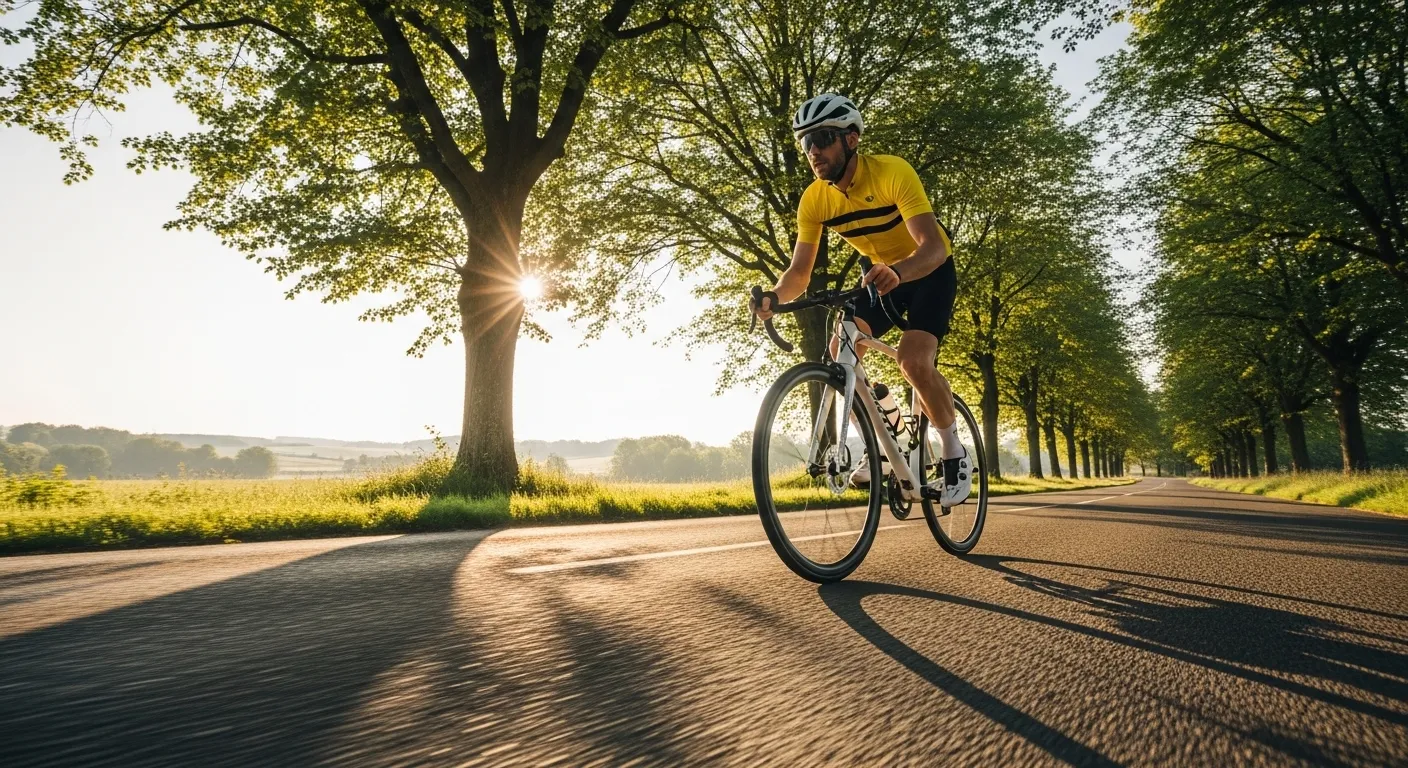 12 weeks · Half-century 50-Mile Bike Training Plan A 12-week build to your first half-century. Progressive long rides, Zone 2 base work, free downloadable plan. View plan & PDF
 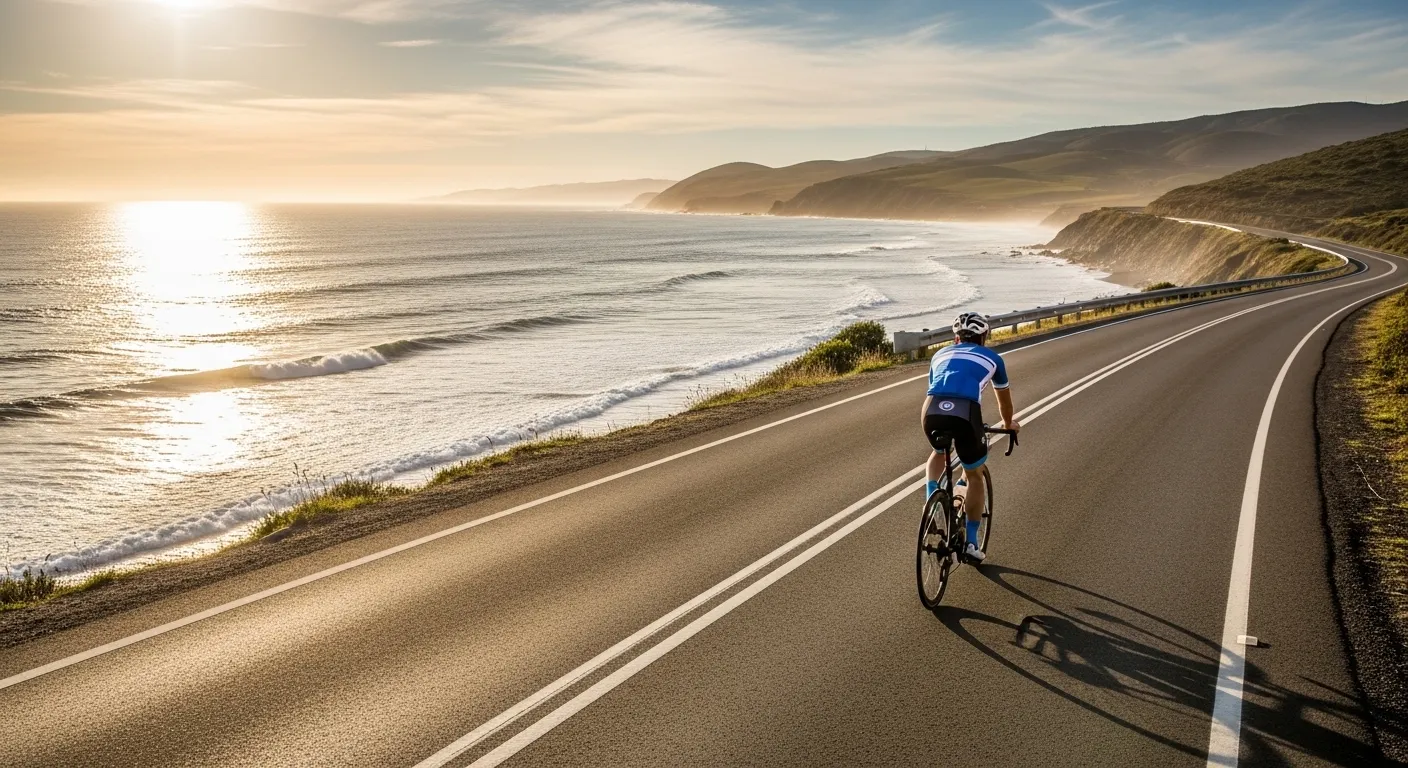 16 weeks · Century 100-Mile Bike Training Plan Build the engine and pacing strategy to complete your first century ride. Includes free PDF + week-by-week plan. View plan & PDF
 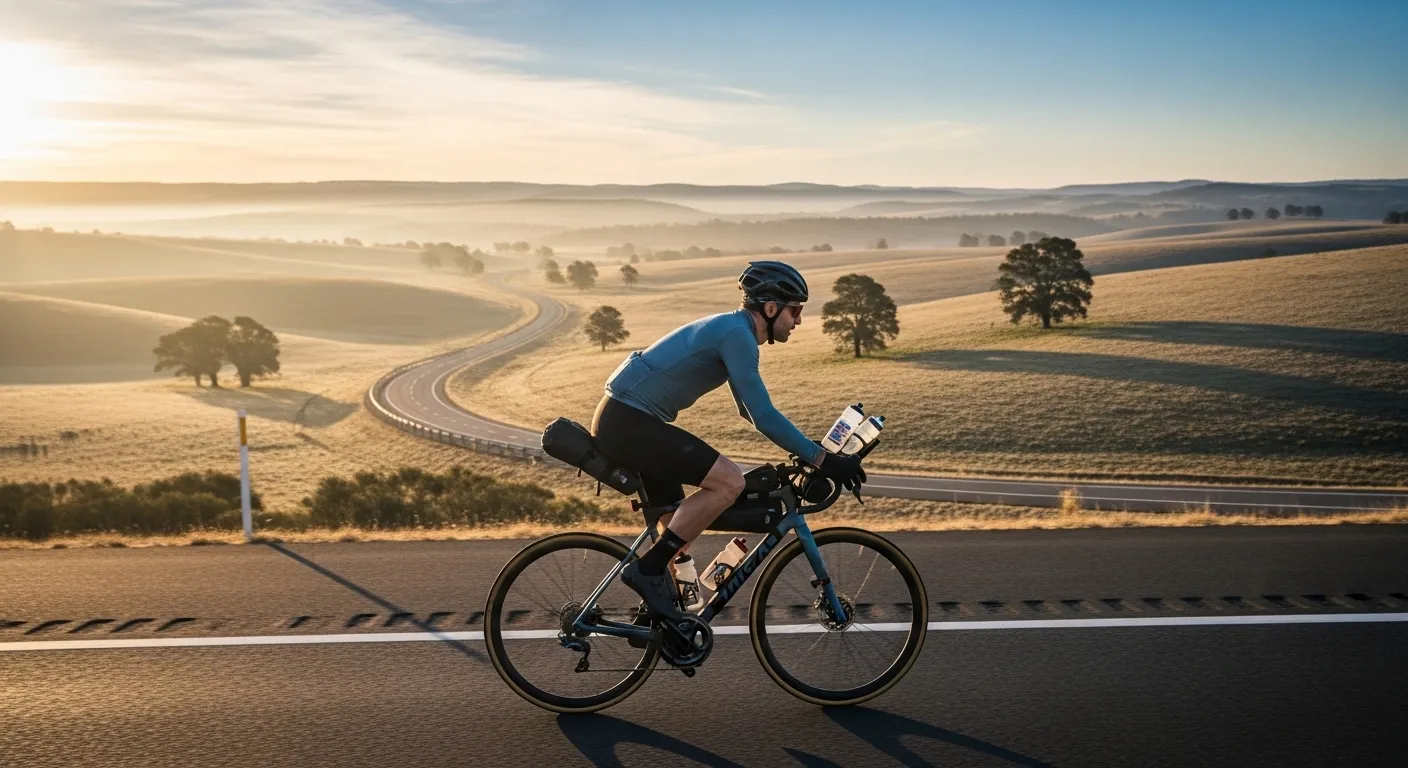 20 weeks · Double century 200-Mile Bike Training Plan 20-week ultra-distance plan with back-to-back weekends, fueling rehearsals and fatigue management. View plan & PDF