Cycling workouts are more than just pedaling on a bike; they are a pathway to enhancing your physical fitness, boosting VO2 max, improve endurance, and achieving personal health goals.
If you’ve ever felt that your current cycling routine lacks the challenge or results you desire, you’re not alone.
Many cyclists seek ways to optimize their workouts for better performance and satisfaction.
This article will guide you through a variety of great workouts, offering insights into effective techniques that could transform your cycling experience.
You’ll explore everything from ideal pre-workout nutrition to the benefits of indoor cycling versus outdoor sessions, ensuring you have the tools to elevate your cycling regimen.
Types of cycling workouts
Workouts can be categorized into several types, each offering unique benefits to enhance your performance and build fitness.Interval training is a great workout method that involves alternating between high-intensity bursts and rest periods, effectively boosting your speed and muscular endurance.
Hill repeats focus on climbing, helping you build strength and power by repeatedly tackling steep inclines.
Long, steady rides are essential for building endurance and improving cardiovascular health, allowing you to maintain a consistent pace over extended distances.
Tempo rides, performed at a challenging yet sustainable pace, are excellent for enhancing your lactate threshold, enabling you to ride faster for longer periods.
For those looking to improve their sprinting ability, sprint intervals provide short, explosive efforts, looking for maximum power followed by an easy pace for recovery, sharpening your acceleration and top-end speed.
Lastly, recovery rides or low effort rides are low resistance / easy pedaling sessions designed to promote blood flow and facilitate active recovery, ensuring you remain fresh and ready for your next challenge.
What are the most bang for your buck workouts?
When time is scarce, maximizing efficiency in your cycling workouts is crucial.Interval training stands out as a top choice, offering significant benefits in a condensed timeframe.
By alternating between intense efforts and eas periods, you can enhance both your speed and endurance.
This method is highly effective in boosting cardiovascular fitness and increasing your lactate threshold, allowing you to perform better in shorter sessions.
Another highly efficient cycling workout is the tempo ride.
This involves maintaining a challenging pace that you can sustain over a moderate distance.
Tempo rides are excellent for improving your aerobic capacity and building stamina, which are essential for longer rides.
Both interval training and tempo rides provide substantial benefits without requiring extensive time commitments.
By incorporating these workouts into a structured cycling training plan, you can achieve significant gains in fitness and performance, making the most of your limited time.
What to eat before a workout?
Fueling your body with the right nutrients before a workout is essential for optimal performance.Focus on consuming a balanced meal that includes carbohydrates, proteins, and healthy fats.
Carbohydrates serve as your primary source of energy, so opt for easily digestible options like oatmeal, whole grain toast, or a banana.
These will provide the necessary fuel to power through your ride.
Incorporate a moderate amount of protein to support muscle function and repair.
Consider options like Greek yogurt, a protein shake, or a handful of nuts.
These choices will help sustain your energy levels and aid in recovery post-workout.
Timing is also crucial.
Aim to eat your pre-workout meal about 2-3 hours before you hit the road to allow for proper digestion and to avoid discomfort.
If you’re pressed for time, a light snack like a piece of fruit or an energy bar 30 minutes to an hour before your ride can also be effective.
Hydration should not be overlooked; ensure you’re well-hydrated by drinking water throughout the day and having a glass of water with your meal.
How long should a good workout be?
The duration of your workout plays a pivotal role in your training program.Determining the optimal length depends on your objectives and current fitness level.
For general fitness and health benefits, a session of 30 to 60 minutes is often sufficient.
This timeframe allows you to elevate your heart rate, improve cardiovascular health, and burn calories effectively.
If you’re aiming for endurance and stamina, consider extending your rides to 90 minutes or more, as longer sessions help build aerobic capacity and mental resilience.
However, if your focus is on high-intensity workouts, shorter durations can be equally beneficial.
Interval training, for instance, can be completed in as little as 20 to 30 minutes while still providing significant improvements in speed and power.
The key is to maintain a high level of exertion during these shorter bursts.
Ultimately, the length of your workout should align with your personal goals and available time.
Consistency is crucial, so aim to incorporate a mix of short, intense sessions and longer, steady rides into your routine.
This balanced approach not only enhances overall fitness but also prevents burnout, keeping you motivated and engaged in your cycling journey.
Indoor cycling vs Outdoor cycling?
Choosing between indoor cycling and outdoor cycling workouts often depends on your personal preferences and goals.Indoor cycling offers the advantage of controlled conditions, allowing you to focus on specific training metrics without the interference of weather or traffic while using a smart trainer or stationary bike.
This environment can be ideal for structured workouts, such as intervals or power-based sessions, where precision is key.
Additionally, indoor cycling provides convenience, enabling you to maintain consistency regardless of external conditions.
However, one downside of indoor cycling workouts is the potential lack of engagement while pedaling on a stationary bike or smart trainer.
The monotony of indoor cycling might lead to boredom, which can affect motivation over time.
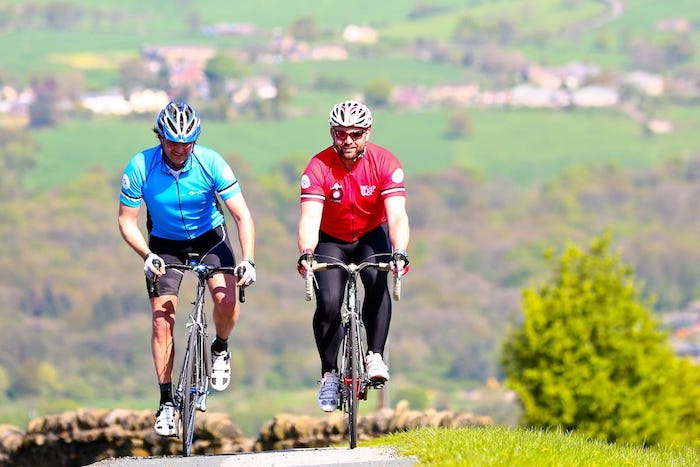
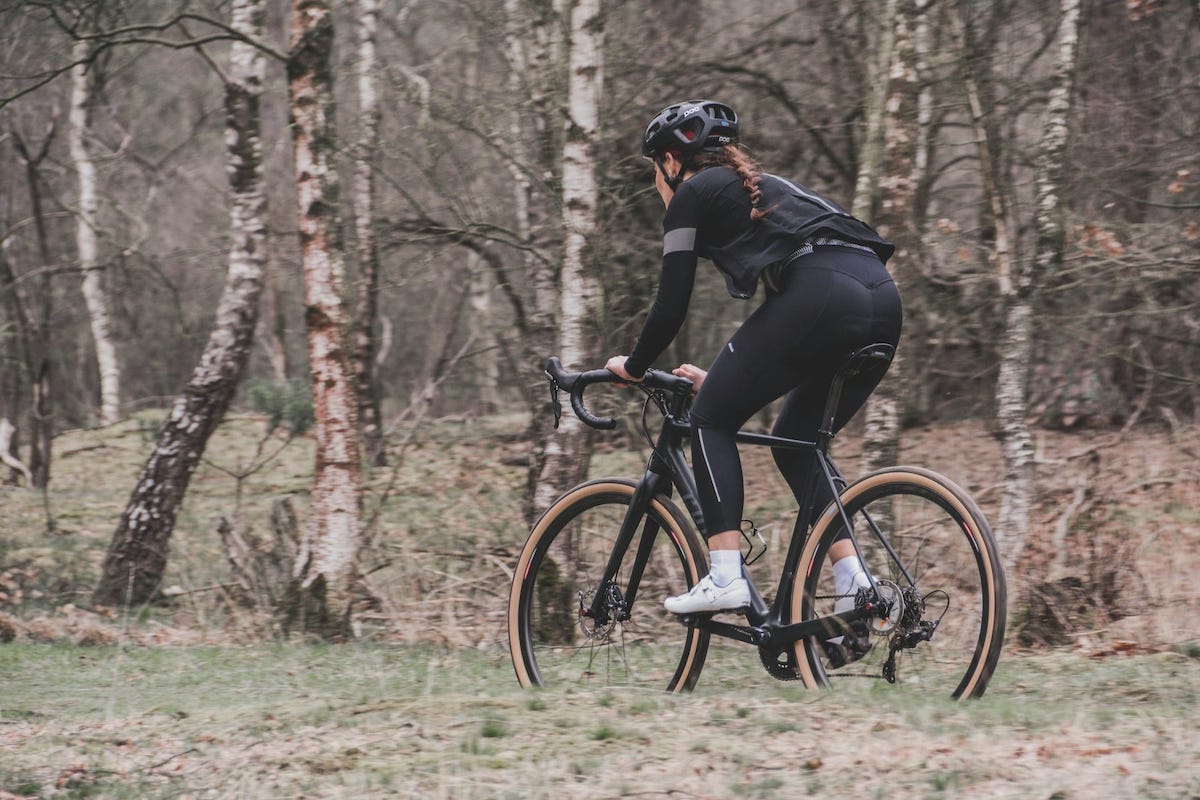
On the flip side, outdoor cycling presents an opportunity to explore varied terrains and enjoy the scenery, which can enhance your mental well-being and keep your rides interesting.
While outdoor workouts can improve bike handling skills and provide a more dynamic experience, they also come with challenges.
Weather conditions, traffic, and varying road surfaces can impact the quality of your workout and pose safety concerns.
Ultimately, the choice between indoor cycling and outdoor cycling should reflect your training objectives, lifestyle, and personal enjoyment, allowing you to reap the benefits of both environments when integrated thoughtfully into your routine.
How do you recover after a bike workout?
Adequate recovery is crucial to maximize the benefits of your workouts.Begin by incorporating a cool-down phase of easy pedaling immediately after your ride.
This helps lower your heart rate gradually and aids in the removal of metabolic waste from your muscles.
Follow this with dynamic stretching or light yoga to maintain flexibility and prevent stiffness.
Rehydration is another key component.
Cycling can lead to significant fluid loss, so replenish with water or an electrolyte-rich drink to restore balance.
Additionally, consider a post-workout snack or meal rich in protein and carbohydrates to kickstart muscle repair and glycogen replenishment.
Rest periods are equally important after a strenuous exercise workout.
Ensure you get adequate sleep, as this is when your body undertakes most of its repair work.
Consider active recovery days with low-intensity cross-training activities like walking or swimming to keep blood circulation up without adding strain.
While recovery rides are beneficial, be mindful not to overdo them, as they can impede full recovery.
By prioritizing recovery, you enhance your performance, reduce injury risk, and sustain long-term progress in your cycling endeavors.